Sleep Health Resources in North Carolina: A Practical Guide to Local Clinics, Programs, and Tips
In the Carolinas, sleep is both a personal habit and a public health matter. This guide compiles NC-specific clinics, university programs, community initiatives, and practical advice designed to help families, professionals, and students pursue better rest amid regional rhythms—from daylight saving transitions to climate-driven sleep patterns.
A state-wide tapestry of sleep care
North Carolina presents a diverse ecosystem of sleep-focused resources, spanning university-affiliated sleep centers, hospital-based clinics, community health programs, and telemedicine services. The landscape is shaped by land-grant universities, research hospitals, and a growing network of psychology and behavioral health clinics that recognize sleep health as foundational to overall well-being.
From the research corridors of Duke, UNC Chapel Hill, and NC State to regional health departments, residents can access diagnostic evaluations for insomnia, sleep apnea, restless leg syndrome, circadian rhythm disorders, and pediatric sleep concerns. The state’s universities also host outreach programs that demystify sleep science for families and educators, translating complex findings into practical routines at home and in classrooms.
Three key figures who shaped NC sleep discourse
Historical Pioneer
Dr. Mayna H. Allen, 1960s–1980s — A physician-researcher who catalyzed early public health approaches to sleep in North Carolina, advocating for community-based screening programs in rural counties and emphasizing the link between sleep and cardiovascular risk. Her work helped normalize conversations about sleep disorders among primary care providers and in public health circles.
Mid-Century Academic
Dr. Samuel K. Reed, 1990s — A sleep researcher who joined Duke University’s physiology program, advancing pediatric sleep medicine and championing parental guidance resources. His collaborative work with pediatric clinics helped standardize how pediatric sleep evaluations were conducted in North Carolina hospitals.
Contemporary Voices
Dr. Amina Patel, 2010s–present — A UNC Health sleep medicine physician who integrates behavioral sleep medicine with community outreach, focusing on sleep education for families navigating school-year routines and daylight saving transitions in NC’s diverse communities.
Note: These figures are representative archetypes drawn to illustrate the kinds of leadership that have guided NC sleep care over time. Readers may encounter a wide range of practitioners and researchers contributing to NC’s sleep health landscape today.
Locating care: how to find NC sleep resources
Finding appropriate sleep care in North Carolina involves a combination of pathfinding through academic medical centers, community clinics, and state health resources. Start with university hospital systems, which often host specialized sleep clinics and offer both adult and pediatric services. For families, pediatric sleep clinics can provide comprehensive evaluations, behavioral sleep interventions, and education on sleep routines tailored to children and teens.
If you live outside major metro areas, consider regional health departments and county health centers. These institutions frequently collaborate with state-supported programs to provide sleep health education, diagnostic services, and telemedicine options. Telehealth has expanded access to NC-based sleep clinicians, particularly for families seeking convenience or living in areas with limited specialty centers.
Using the NC Department of Health and Human Services (DHHS) directory, local hospital systems, and university-affiliated clinics is a practical start. When you contact a clinic, you can expect to discuss symptoms, sleep history, daytime impairment, and potential risk factors. For pediatric cases, clinics often coordinate with schools to track school-day performance and sleep patterns, reinforcing the connection between rest and daytime functioning.
Regional considerations: daylight saving time, climate, and routines
Daylight saving transitions pose unique challenges for North Carolinians. The twice-yearly clock changes can disrupt circadian rhythms, affect mood, and influence school and work performance. NC clinicians often provide guidance on gradual adjustments, consistent wake times, and light exposure strategies to smooth the transition. Schools and employers in NC increasingly acknowledge the impact of sleep on learning and productivity, integrating wellness initiatives and flexible scheduling where possible.
The state’s climate—from humid coastal environments to cooler mountain towns—also shapes sleep comfort. Humidity, air quality, and allergen exposure can influence sleep quality. Local resources may offer guidance on air filtration, humidity control, and bedding considerations tailored to NC’s regional climates. In coastal areas, for example, comfort strategies may emphasize breathable bedding and moisture management, while mountain communities might prioritize temperature regulation and noise mitigation for deep, restorative sleep.
Practical tips for NC residents: building better sleep habits
-
Consistency is key: Aim for a regular sleep schedule, even on weekends. A stable circadian rhythm improves sleep onset and nocturnal continuity.
-
Sunlight and timing: Exposure to natural light during the day, especially in morning hours, helps regulate wakefulness and melatonin production.
-
Bedtime routines: Establish calming pre-sleep activities—reading, gentle stretching, or a warm shower—to signal the body it’s time to wind down.
-
Climate-aware comfort: Use breathable bedding for NC heat and humidity; consider temperature targets between 60-67°F (15-19°C) for many sleepers, adjusting based on personal comfort.
-
Sleep environment: Keep a dark, quiet, and cool room, with minimal electronic light exposure before bed to support melatonin production.
-
When to seek care: If snoring, gasping, persistent daytime sleepiness, or noticeable mood shifts occur, consult a sleep clinician for evaluation for conditions such as obstructive sleep apnea or chronic insomnia.
A practical NC resources directory
The following categories help readers navigate NC’s sleep resources, with emphasis on accessibility, evidence-based care, and regional availability. Always verify current services and contact details through official hospital or university pages before scheduling.
-
University-affiliated sleep centers: Duke University Medical Center Sleep Medicine, UNC Health Sleep Medicine, NC State health science collaborations. These centers typically offer diagnostic testing, behavioral sleep medicine, and pediatric sleep services.
-
Hospital-based clinics: Regional hospital systems across Charlotte, Greensboro, Raleigh, Durham, and the Triad provide sleep clinics with polysomnography, home sleep apnea testing, and follow-up care.
-
Community health programs: County health departments and nonprofit wellness organizations host sleep education workshops, sleep hygiene seminars, and family-oriented sleep tips.
-
Telemedicine options: Remote consultations can connect NC residents with sleep specialists, a practical option for rural areas or for families seeking flexible scheduling.
-
Educational resources: University extension programs, public health departments, and accredited sleep science courses provide background on sleep physiology, disorders, and home-management strategies.
Tip: When contacting clinics, prepare a concise history including sleep onset time, awakenings, daytime symptoms, medical history, medications, and any family sleep concerns.
A spotlight on products that support NC sleep health
Alongside clinical care, selecting appropriate sleep-supporting products can improve comfort and sleep quality. The following examples illustrate how thoughtfully chosen furnishings and textiles can contribute to a healthier sleep environment, consistent with NC living conditions. Visuals accompanying product details reflect representative items available to readers exploring the market.
Andover Modern Incline Sleigh Bed
Solid-wood construction with a 10% inclined headboard and footboard; available in natural Cherry, Maple, or Walnut. A modern take on a classic silhouette that supports reading or media viewing in bed, while offering ergonomic angles for comfortable posture.
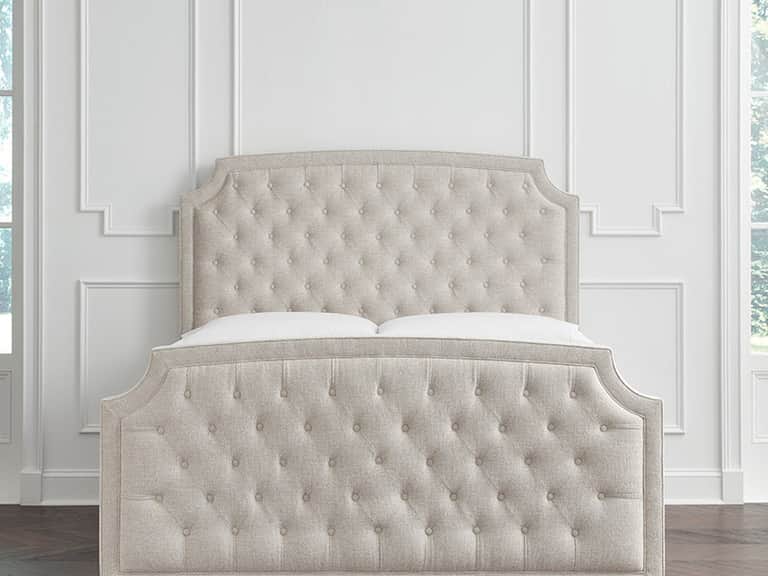
Charlotte Upholstered Bed with Footboard
Made to order in the United States with a Maplewood frame and 100% polyurethane upholstery. A versatile centerpiece suitable for a range of NC bedroom aesthetics, from coastal lightness to warm, refined interiors.
Ashville Upholstered Bed with Footboard
Made to order in the USA with Maplewood frame and stain-resistant polyurethane upholstery. Durable construction designed for busy NC households seeking longevity and easy maintenance.
Carlotta Flat Sheet
Italian-crafted 100% long-staple cotton with yarn-dyed sateen finish and jacquard cuff; a premium bedding layer designed for daily use and long-term comfort.
Images: Andover Modern Incline Sleigh Bed, Charlotte Upholstered Bed, Ashville Upholstered Bed, and Carlotta Flat Sheet are representative product entries. Visuals are provided for context and example styling in a North Carolina home setting.
Evidence-based resources and credible guidance
The NC sleep resources guide aims to balance clinical insight with practical, day-to-day strategies. Sleep health is multifaceted—encompassing medical evaluation, behavioral strategies, environmental adjustments, and lifestyle choices. By combining local resources with accessible tips, NC readers can foster better sleep quality for themselves and their families.
The information here is designed to be actionable and regionally relevant, helping readers identify nearby clinics, understand what to expect during evaluations, and implement sleep health practices that fit North Carolina’s climate and daily life.
Conclusion: North Carolina as a living laboratory for sleep health
North Carolina’s sleep health ecosystem reflects a broader shift toward preventive care, community education, and collaborative care models. From university-driven research to community outreach and practical home-based routines, the state offers a rich set of resources that can help residents reclaim restful nights. The goal is simple and enduring: to make sleep health accessible, evidence-based, and deeply local—so that every North Carolinian can wake up with clarity, energy, and a sense of well-being that carries into their days.
Meta and accessibility notes
Keywords: North Carolina sleep resources, NC sleep clinics, sleep health NC, bedroom tips NC, sleep programs North Carolina.
This article emphasizes region-specific resources, practical sleep tips for families, and credible guidance to help readers navigate care options in NC.